Part 4 of 6 in the series on digital transformation in supply chain – part of the 4flow trend monitor

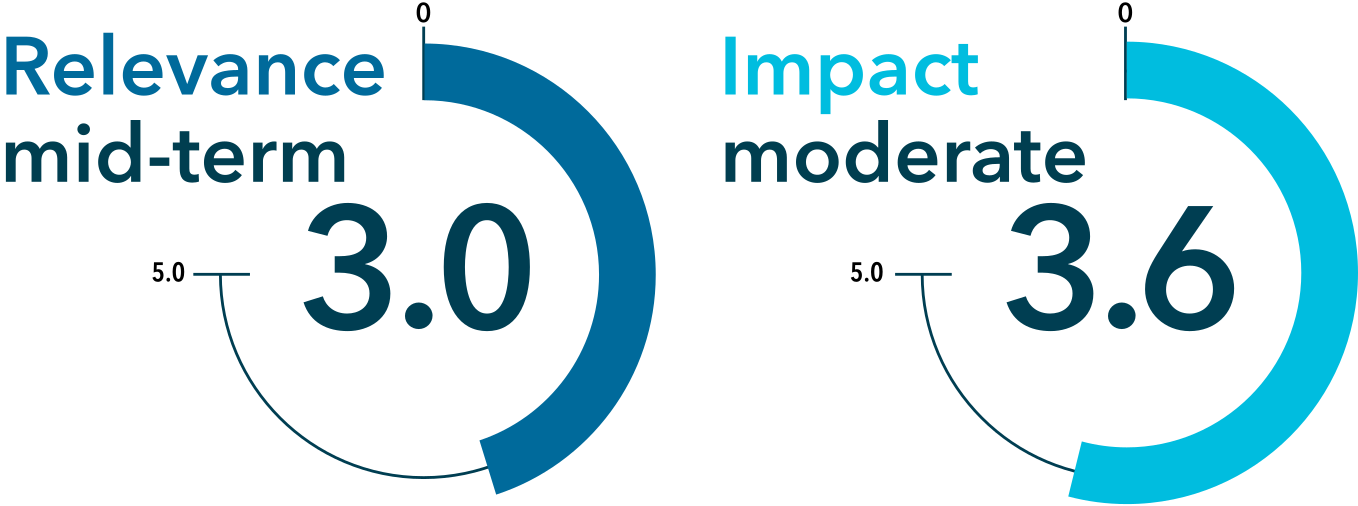
Affected industries: Engineering, consumer goods, automotive, retail
Affected supply chain segments: Warehouse operations, production logistics
What is robotics in supply chain?
Robotics in supply chain refers to the application of machines to automate logistics processes. For many years, the main areas of robotics application were automotive manufacturing and electronics production – but robots have become more popular in recent years, driven by advancements in artificial intelligence. Self-driving vehicles and drones are being implemented in intralogistics, for instance, to automate inventory or picking processes.
Where is this trend heading?
The market for logistics robots is growing. Artificial intelligence opens up new areas of application for robotics and makes the technology safe and reliable. Both established machinery manufacturers as well as startups are bringing new robotics technology on the market. Warehousing has emerged as an area with many new applications. According to a prediction from Gartner1, 75% of large businesses will have integrated robotics technology in their warehouses by 2026. Self-guiding robots can automate storing and picking processes, for instance. In addition to AGVs (autonomous guided vehicles), which are linked to determined routes, AMR (autonomous mobile robots) are being used more frequently. These use advanced sensors and AI to move freely throughout warehouses. Another example are drones, which automate inventory processes using RFID chips or AI-supported image recognition – saving time and costs.
Getting ahead of the trend
Gone are the days when logistics robots were mostly good for tricks or model projects. Now, they can enable significant cost savings and efficiency boosts. Evaluate how robotics can improve your processes and improve productivity and robustness. As a first step, experiment with this interactive model.