Blog | November 24, 2023
Success factors in grocery e-commerce
How grocery retailers can achieve profitability on the online market
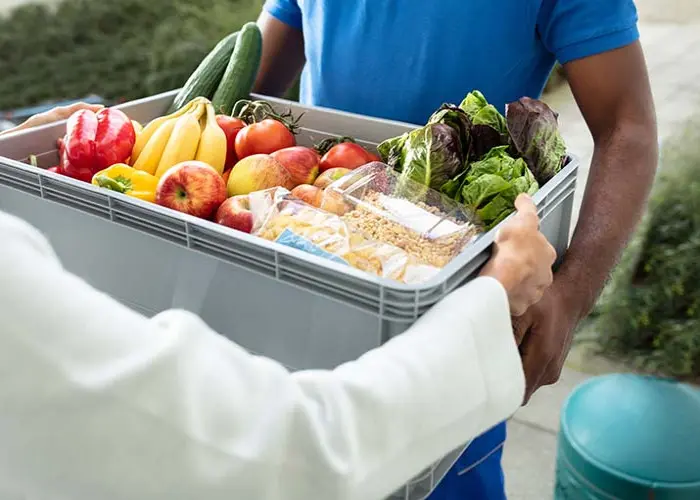
A significant amount of grocery retail business today occurs online. Following an initial boom of growth and investment, grocery e-commerce is currently going through a consolidation phase. Providers are competing for profitability; none have been successful for the long-term yet. In late 2022, the quick commerce business Gorillas was bought by its competitor Getir; the quick grocery delivery service Bringmeister recently announced its takeover by the online supermarket Knuspr, and online grocery retailer Oda ceased operations after only a few months. Using examples from the European market, 4flow has identified four important success factors for profitable grocery e-commerce businesses.
Rethinking strategy: the path to profitability
The industry is facing the need to unite profitability and meeting customer demand. Successful businesses are adapting and finding innovative solutions to operate profitably in this dynamic market environment.
Traditional online supermarkets are increasing their profitability through economies of scale; in quick commerce, strategies are being rethought, shopping carts are being increased with delivery fees and minimum order quantities, and the 10-minute delivery promise is becoming more relaxed. Meal-kit providers have the best operating conditions but must continuously invest in innovative recipes and services.
This article was originally published as "E-Food muss Rentabilität und Kundenbedürfnisse vereinen" in the German industry publication Lebensmittelzeitung on page 30 of issue 44, on November 3, 2023.